Enhancing Subway Safety Standards: The Crucial Role of Injection Molding Machines in Manufacturing Fire-resistant Components

As urbanization continues to accelerate, the subway system plays a vital role as a major component of public transportation, and its safety has drawn widespread attention. Among the various safety hazards during subway operations, fire accidents pose a significant threat. Therefore, it is crucial to utilize high-performance fire-resistant materials in the manufacturing of subway vehicles and their related components. Let’s explore the role of injection molding machines in producing these fire-resistant subway components and analyze their importance in improving passenger safety and meeting regulatory requirements.
I. Overview of Fire-resistant Material Requirements for Subway Vehicles
When designing subway vehicles, engineers must consider the flame retardancy, heat release rate, smoke generation, and toxicity of materials. International standards and specifications for fire safety in public transportation, particularly subway vehicles, are highly stringent. For instance, the International Electrotechnical Commission standard IEC 60309-1 outlines the requirements for fire performance of electrical equipment on rail vehicles. This requires subway vehicle manufacturers to utilize fire-resistant materials that comply with these standards during the production process.
II. Application of Injection Molding Machines in Manufacturing Fire-resistant Subway Components
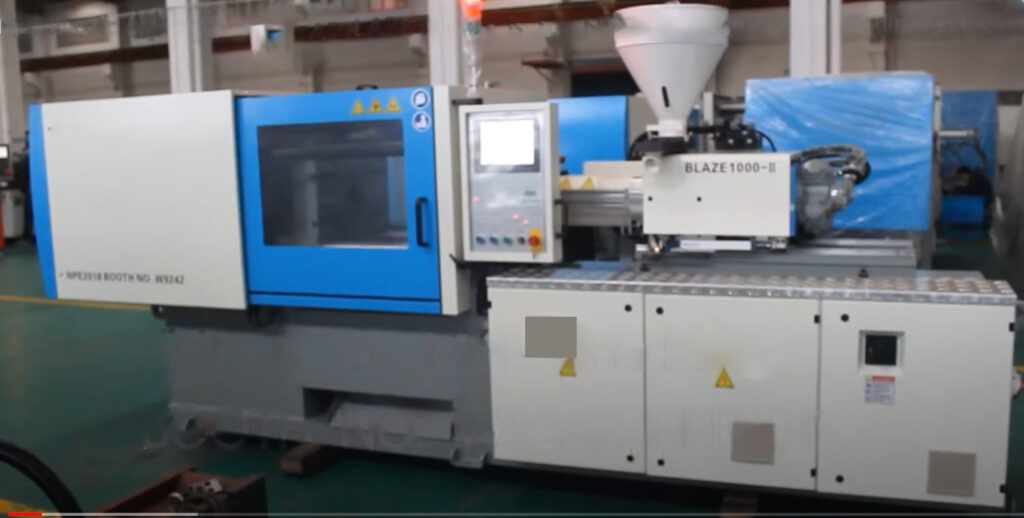
An injection molding machine is a mechanical device that heats plastic materials to a molten state, rapidly injects them into mold cavities under high pressure, and cools them to obtain the desired shapes. In the manufacturing process of subway vehicles, injection molding machines are widely used to produce plastic parts of various sizes and complexities, including seats, interior panels, and cable ducts.
To meet high fire safety standards, injection molding machines need to utilize special fire-resistant materials such as halogen-free polycarbonate (PC), halogen-free polyamide (PA), and other high-performance plastics with flame retardants. These materials not only possess excellent mechanical properties and temperature resistance but, more importantly, they can slow down the spread of fire and reduce the generation of harmful gases during combustion.
III. Optimization and Challenges of Injection Molding Process
Optimizing the injection molding process is crucial in manufacturing fire-resistant subway components. This includes ensuring uniform melting of materials, proper control of injection speed and pressure, and precise configuration of mold design and cooling systems. Every detail can impact the final product’s quality and fire-resistant performance.
At the same time, the injection molding industry faces challenges such as ensuring even distribution of flame retardants, reducing production costs without sacrificing product quality, and complying with increasingly stringent environmental regulations.
IV. Case Studies and Innovation Trends
The article can showcase successful application examples through specific case studies, such as how a renowned subway manufacturer enhances the safety performance of their vehicles by adopting advanced injection molding technology and fire-resistant materials. Additionally, it can explore the latest innovation trends in the industry, such as using bio-based or recyclable materials to manufacture fire-resistant components, which not only meet environmental requirements but also provide new business opportunities.
Conclusion:
With technological advancements and increased safety awareness, the role of injection molding machines in manufacturing fire-resistant components for subway vehicles is becoming increasingly prominent. By utilizing appropriate fire-resistant materials and optimizing the injection molding process, manufacturers can produce components that meet the highest safety standards, thereby providing passengers with a safer travel environment. Future technological innovations and material research will continue to drive the development of this field, making subway transportation safer, more reliable, and environmentally friendly.


