In-Depth Analysis of Injection Molding Machines: Structural Components and Functional Overview
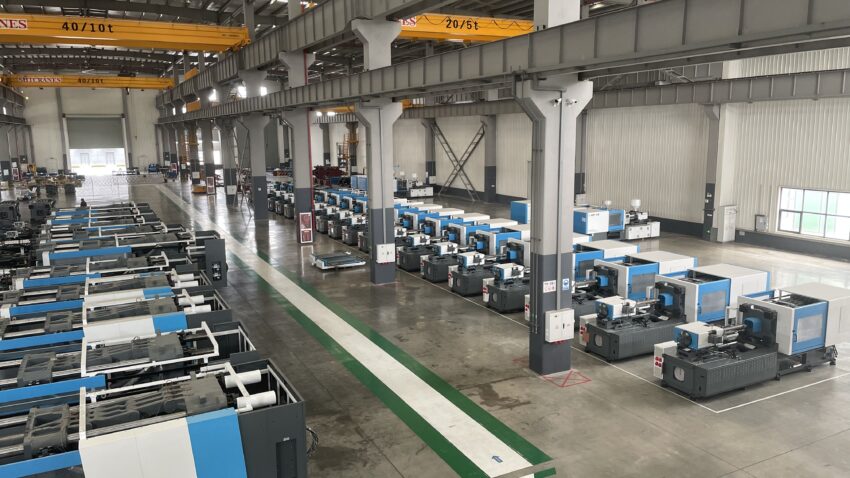
In the modern plastic product manufacturing industry, injection molding machines play a crucial role. Their high efficiency and versatile molding capabilities make injection molding one of the core processes in plastic manufacturing. Understanding the structure and functions of an injection molding machine is of great significance for optimizing the production process, improving product quality, and reducing production costs. This article will delve into the structural components and various functions of injection molding machines, providing a comprehensive reference guide for practitioners and industry novices.
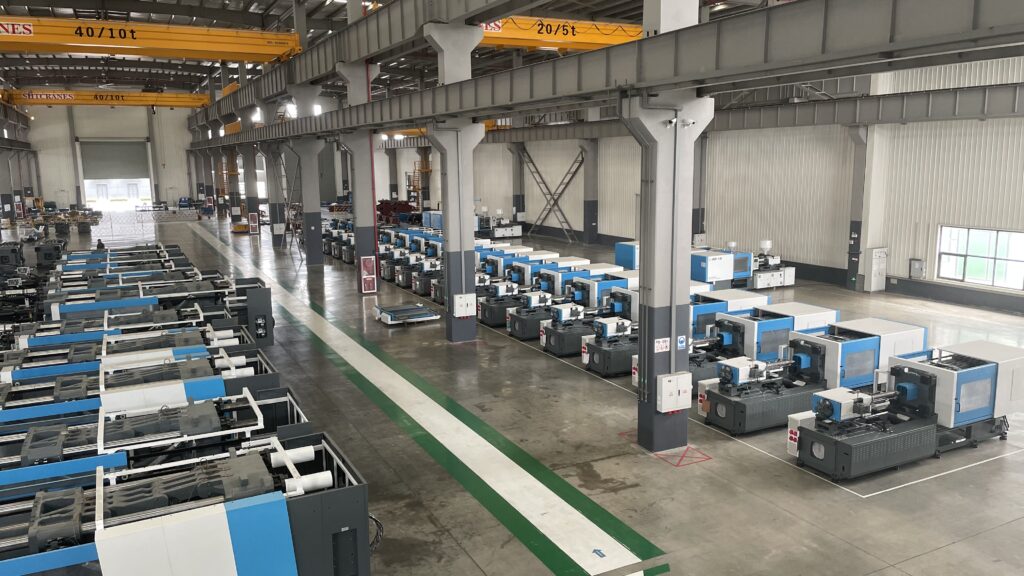
Section 1: Overview of Injection Molding Machines
An injection molding machine is a device used to manufacture plastic parts by injecting molten plastic material into a mold cavity and removing the formed product after cooling and solidification. The process includes steps such as plasticization, injection, pressure holding, cooling, and demolding.
Section 2: Structural Components of Injection Molding Machines
- Injection Unit: This is the core part of the injection molding machine, including components like the barrel, screw or plunger, heaters, and nozzle. The barrel holds the plastic raw material and heats it to a plasticized state through the heaters.
- Mold Clamping Unit: Also known as the mold clamping device, it mainly consists of a fixed platen, movable platen, tie bars, and clamping hydraulic cylinders, responsible for closing and locking the mold.
- Power System: Typically composed of hydraulic pumps, motors, and the corresponding control systems, it provides the necessary power for injection and mold clamping.
- Control System: Including electrical control boxes and microprocessors, etc., it precisely controls the entire injection molding process to ensure product quality and production efficiency.
- Auxiliary Devices: Such as cooling water channels, lubrication systems, safety devices, etc., they support the normal operation of the main components and ensure the safety of operators.
Section 3: Function Analysis of Injection Molding Machines
- Plasticization and Injection: Plasticization is the process of melting solid plastic granules into a flowable state, while injection involves delivering the molten material into the mold. This process requires close cooperation between the injection unit and the power system.
- Mold Closing and Locking: To withstand the high pressure of the molten plastic during injection, the mold clamping unit must ensure that the mold is stably closed and locked.
- Pressure Holding and Cooling: After the material is injected, a certain pressure must be maintained to allow the material to fill every corner of the mold and begin the cooling process to form the final plastic product.
- Ejection and Demolding: Once the plastic is cooled and solidified, the mold opens, and an ejection device (such as ejector pins or cylinders) is used to remove the product from the mold.
- Safety Protection and Fault Diagnosis: In addition to process control, the control system is also responsible for implementing safety measures and providing diagnostics and alerts in case of malfunctions.
Section 4: Key Technologies and Innovation Trends in Injection Molding Machines
With technological advancements, injection molding machines have seen significant improvements in precision, speed, and intelligence. Innovations such as servo motor drive systems, closed-loop control technology, automatic mold adjustment, and intelligent sensing technologies are driving industry development.
Section 5: Case Studies
Some successful case studies of injection molding machine upgrades and modifications are introduced, including performance comparisons before and after technical updates, economic benefit analyses, etc. These cases can provide valuable experience sharing for other enterprises.
6、Conclusion
As an important piece of equipment in plastic processing, injection molding machines have complex structures and diverse functions. A thorough understanding of their structural components and functions allows for better equipment selection, maintenance, and optimization of production processes. With the continuous advancement of technology, future injection molding machines will become more intelligent, efficient, and environmentally friendly, bringing more possibilities to the development of the plastic manufacturing industry.


