Application and quality control of precision injection molding technology in production of food safety packaging materials
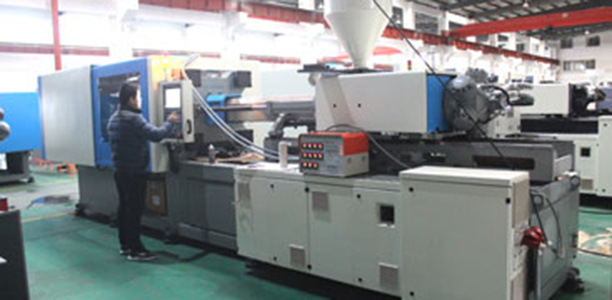
With the rapid development of modern food industry, consumers have put forward higher requirements for food preservation, safety and convenience of packaging. As an efficient production equipment, injection molding machine plays a crucial role in the production of food packaging materials. Let’s discuss the application of injection molding machines in the field of food packaging, the importance of quality control, and ways to achieve these standards.
1、 the key role of injection molding machine in the production of food packaging materials
By injecting the molten plastic material into the pre-designed mold cavity, the injection molding machine quickly cools into a variety of shapes and sizes of food packaging containers. This production method is not only efficient, but also can achieve complex design needs and meet the diversified packaging needs of the market.
2、Quality requirements for food packaging materials
Food packaging materials are in direct contact with food, so their quality directly affects the safety of food. International regulations on food contact materials are very strict, such as FDA regulations in the United States, EU No 10/2011 and so on. These regulations require that food packaging materials must not contain substances harmful to human health, and need to have sufficient protective properties to ensure that food is not contaminated by outside.
3、Three, injection molding machine quality control points
In order to ensure the safety and reliability of food packaging, quality control in the injection molding production process is crucial. Here are a few key control points:
3.1、Selection of raw materials: The selection of high-quality raw materials is the basis for ensuring the quality of the final product. The selection and management of suppliers shall comply with the corresponding quality standards and certification requirements.
3.2、Process parameter control: Parameters such as temperature, pressure and time during injection molding need to be precisely controlled to avoid defects caused by material degradation or inadequate melting.
3.3、Mold design and maintenance: Mold design should take into account the release slope of the product, cooling system layout and other factors. Good mold maintenance reduces defects and extends mold life.
3.4、On-line inspection and automation: The introduction of on-line inspection equipment and automation technology can improve production efficiency while reducing human error and ensuring consistent product quality.
3.5、Finished product inspection: Finished product inspection includes appearance inspection, dimensional measurement, physical and chemical property testing, etc., to ensure that the product meets the specified safety and performance standards.
4、Case studies and best practices
By analyzing specific business cases, this article will show how the overall performance and safety of food packaging materials can be improved by improving injection molding processes and strengthening quality management.
5、Future trends and challenges
Faced with the improvement of environmental protection requirements and the development of new materials, the future production of food packaging materials will pay more attention to sustainability and innovation. The technological upgrading and intelligentization of injection molding machines will make it possible to meet these challenges.
6、Conclusion
In short, injection molding machines play a central role in the efficient production of food packaging materials. Through strict quality control and continuous technological innovation, we can ensure the safety, reliability and environmental protection of food packaging to meet the growing market demand.


