Energy Consumption Management and Energy-saving Measures for Injection Molding Machines: Key to Achieving Green Manufacturing
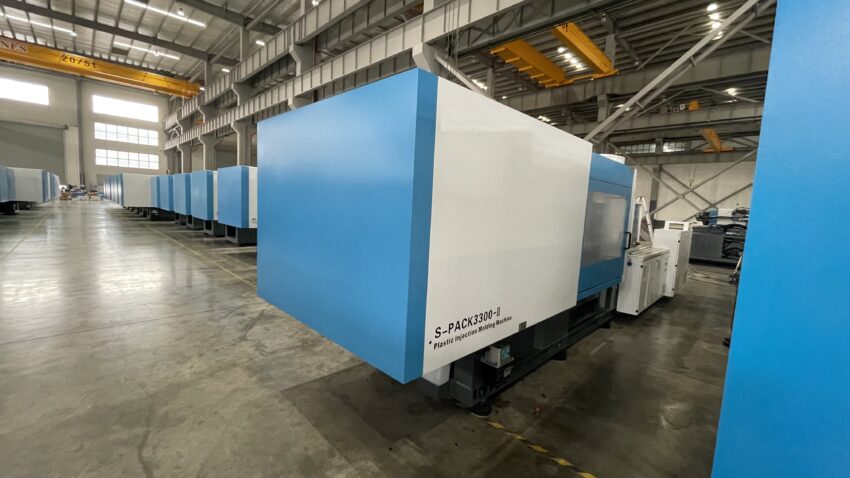
Injection molding machines are among the most commonly used equipment in the plastic processing industry. However, these machines consume a significant amount of energy during the production process, leading to increased production costs and environmental pollution issues. Therefore, effective management of energy consumption for injection molding machines and the implementation of energy-saving measures are crucial for reducing production costs, improving energy efficiency, and promoting green manufacturing.

I. Analysis of Energy Consumption for Injection Molding Machines
To achieve energy savings, it is essential to understand the main components of energy consumption for injection molding machines. They typically include the following aspects:
Motor Drive System: The main motor and hydraulic pump motor of the injection molding machine are the primary energy-consuming devices.
Heating System: The heating systems of the barrel and mold consume a significant amount of energy.
Control System: While the energy consumption of the control system is relatively low, optimizing control strategies can yield significant energy-saving results.
Cooling System: The energy consumption of the cooling water circulation system should not be overlooked.
II. Energy Monitoring and Evaluation
To effectively manage energy consumption, real-time monitoring and evaluation of energy consumption for injection molding machines are necessary. This can be achieved by installing energy meters and sensors to collect energy consumption data for analysis.
III. Energy-saving Measures
The following are some energy-saving measures for injection molding machines:
Process Optimization: Reduce energy consumption by improving the production process and minimizing unnecessary operations.
Efficient Motors and Variable Frequency Technology: Use high-efficiency motors and variable frequency drives to adjust motor speeds according to different production requirements.
Insulation of Barrel and Mold: Improve the insulation performance of the barrel and mold to reduce heat loss.
Waste Heat Recovery: Utilize waste heat recovery systems to reuse the waste heat generated during the cooling water and heating processes for other heating processes or space heating.
Intelligent Control Systems: Implement advanced control algorithms and automation technology to optimize the operation parameters of injection molding machines.
Regular Maintenance: Perform regular maintenance on injection molding machines to ensure their efficient operation.
IV. Case Studies
Share successful energy-saving case studies to demonstrate the application effects and energy-saving potential of these measures in practical production.
Conclusion
By effectively managing energy consumption for injection molding machines and implementing energy-saving measures, companies can not only reduce production costs but also minimize environmental impacts and achieve sustainable development. It is crucial for businesses to continuously explore new technologies and innovative approaches, constantly improving energy efficiency, and moving towards the future of green manufacturing.


