From Production to Delivery: The Full Journey of an Injection Molding Machine
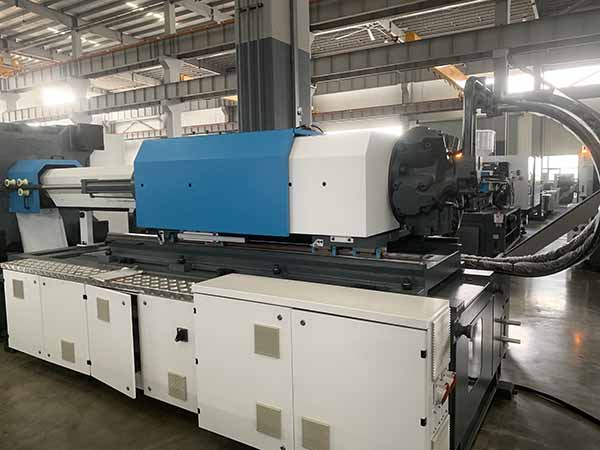
Injection molding machines play a crucial role in modern manufacturing. They enable efficient production of complex and high-precision plastic products while demonstrating a high level of automation and intelligence throughout the entire production process. Let’s discuss the full journey of an injection molding machine, from design and production to final delivery to the customer, revealing the precision technology and logistics chain behind it.
Firstly, let’s understand what an injection molding machine is. An injection molding machine is a device used to manufacture plastic products by injecting molten plastic material into a mold cavity and extracting the formed product after cooling and solidification. This process includes steps such as plasticizing, injection, holding pressure, cooling, and demolding. Injection molding machines are widely used in industries such as automotive, home appliances, medical, and consumer electronics.
During the design phase, engineers select the appropriate model and parameters of the injection molding machine based on the product requirements. This includes determining the machine’s clamping force, specifications of the injection unit, and the size and structure of the mold. The design team also utilizes computer-aided design (CAD) software to draw mold blueprints and perform simulation analysis to ensure the rationality of the mold and the feasibility of production.
Next is the production phase. The production of an injection molding machine involves multiple processes such as machining, assembly, and debugging. Machining includes cutting, milling, and turning metal components to ensure their dimensions and shapes align with the design requirements. The assembly process involves assembling these components according to the design blueprints to form a complete injection molding machine. Once the assembly is complete, technicians perform debugging to ensure that all parts of the machine work together, meeting the predetermined performance standards.
Quality control is an indispensable aspect throughout the production process. Each stage, from the inspection of raw materials to the testing of finished products, incorporates strict quality monitoring measures. For example, high-precision measurement tools are used to inspect part dimensions, and pressure testing and sample inspections are conducted to ensure the quality of the finished products.
After production, the injection molding machine needs to be packaged and transported to reach the customer. Packaging typically involves using materials that provide shock resistance and moisture protection to safeguard the machine during transportation. The mode of transportation depends on customer requirements and geographical location, which may include land, sea, or air transport. During transportation, logistics companies track the location of the goods in real-time to ensure safe and timely delivery.
Upon delivery to the customer, the installation and commissioning of the injection molding machine are the final crucial steps. Professional technicians visit the site to perform installation and provide training to the customer’s personnel, ensuring their proficiency in operating the machine. Additionally, a certain period of after-sales service and technical support is provided to address any issues that may arise during the customer’s usage.
In conclusion, the journey of an injection molding machine is a complex process involving design, production, quality control, logistics, and customer service. Each stage requires precision technology and strict management to ensure the machine operates efficiently and reliably, meeting the customer’s production needs. With technological advancements, future injection molding machines will become more intelligent and automated, bringing forth greater possibilities for the development of the manufacturing industry.


