Injection Molding Machine Technology Innovation: In-depth analysis of upgrading Trends and methods
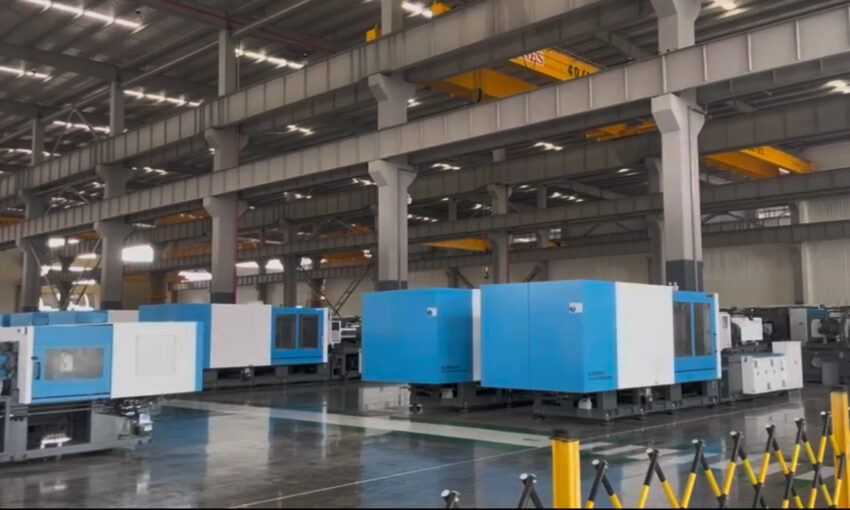
With the continuous development of the manufacturing industry and the rapid progress of science and technology, injection molding machine as an important equipment in the field of plastic molding, its technological upgrading has become the key to the development of the industry. This paper will deeply discuss the development trend of injection molding machine technology and how to effectively upgrade the equipment, in order to provide reference and guidance for related enterprises.
First of all, it is crucial to understand the current development trend of injection molding machine technology. In recent years, intelligence, automation and environmental protection and energy saving have become the three mainstream directions of the development of injection molding machine technology. By integrating advanced computer control system and sensor technology, intelligent injection molding machine realizes accurate control and real-time monitoring of the production process. The development of automation technology makes the operation of injection molding machine easier, reduces the dependence on manual, and improves production efficiency and product quality. The application of environmental protection and energy saving technology aims to reduce energy consumption and waste of raw materials, in line with the requirements of sustainable development.
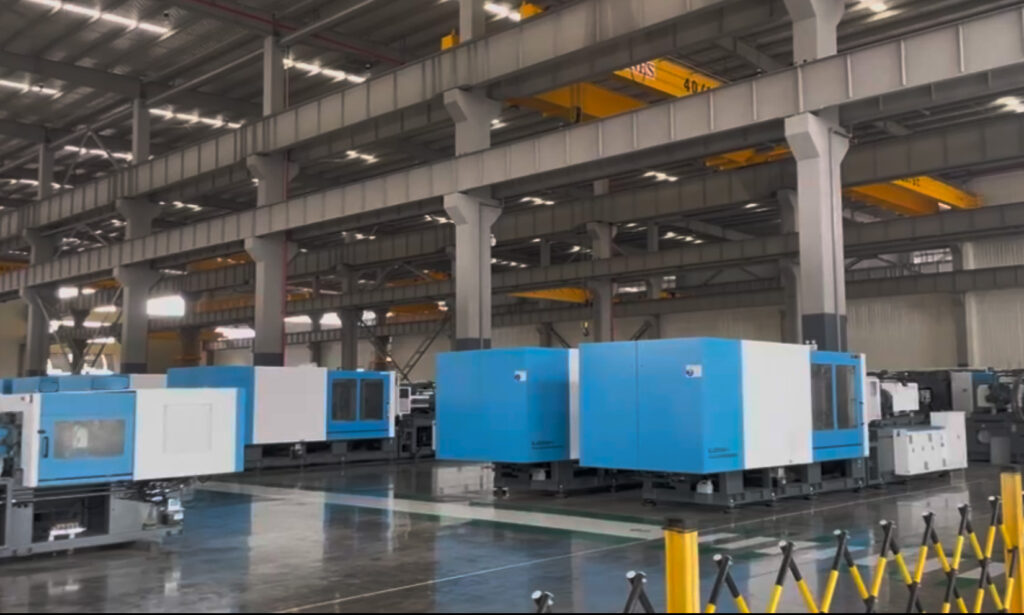
In the upgrading process of injection molding machine, enterprises should consider the following aspects:
System upgrade: For older models of injection molding machines, the performance can be improved by updating the control system. Modern control systems provide more precise temperature and pressure control, as well as faster response times, to optimize production processes.
Mechanical structure improvement: Strengthening the mechanical structure of the injection molding machine can improve its stability and durability. For example, the use of high-strength materials to manufacture critical components, or improved mold rapid change systems, can reduce downtime and increase production efficiency.
Energy efficiency optimization: The energy consumption of injection molding machines can be significantly reduced by installing energy-saving devices such as servo motors and efficient heating systems. In addition, optimizing the operating parameters of the machine to make it work in the best condition is also an effective means to reduce energy consumption.
Automated transformation: The introduction of automated equipment, such as robotic arms and automatic feeding systems, can achieve full automation of injection molding production lines, reducing labor costs, while improving production continuity and consistency.
Environmental technology applications: The use of non-polluting or low-pollution materials and processes, such as the use of biodegradable plastics or improved waste recycling systems, not only contributes to environmental protection, but also reduces production costs.
When upgrading injection molding machines, enterprises should also consider the following factors:
Compatibility: Ensure the compatibility of new technologies with existing systems to avoid production disruptions due to upgrades.
Cost-benefit analysis: Evaluate the relationship between the upgrade investment and the expected benefits to ensure the economic justification of the upgrade project.
Supplier selection: Choose experienced and reputable suppliers to cooperate with to ensure upgrade quality and follow-up services.
Staff training: Operators are trained as necessary to ensure they are proficient in the use of new systems and technologies.
In summary, the upgrading of injection molding machines is a complex and important process, which requires enterprises to make smart decisions on technology selection, cost control and implementation strategies. Through the above technology development trend analysis and upgrading methods, enterprises can effectively improve the technical level of injection molding machines, enhance competitiveness, while achieving the dual goals of production efficiency and environmental sustainability.


