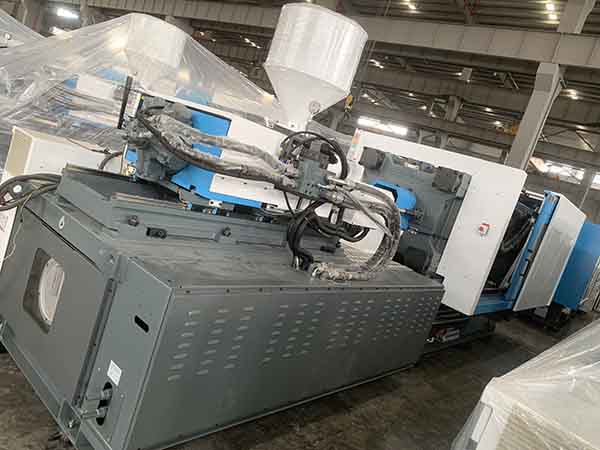
Some preventive measures to reduce the failure of plastic injection molding machine
To do a good job in fault management and prevention of injection molding machine, we must master the causes of injection molding machine faults, accumulate data of frequent and typical faults, carry out fault analysis, pay attention to the study of fault law and fault mechanism, and strengthen daily maintenance, inspection and pre repair. The deployment procedure of fault management includes the following 8 aspects:
1. Do a good job in publicity and education, so that operators and maintenance workers can consciously record, count and analyze the faults of injection molding machine, and put forward reasonable suggestions.
2. Closely combined with the actual production of injection molding and the characteristics of injection molding machines, the in-service injection molding machines are divided into three categories: A, B and C, so as to determine the focus of fault management.
Use monitoring instruments to monitor the key parts of the key injection molding machine in a planned way, so as to find fault symptoms and deterioration information in time.
General injection molding machines should also carry out daily spot inspection, patrol inspection, regular inspection (including accuracy inspection), integrity inspection, etc. through human senses and general detection tools, focusing on mastering the technical status and abnormal phenomenon information of fault prone parts, mechanisms and parts. At the same time, inspection standards shall be formulated to determine the limits of normal, abnormal and fault of injection molding machine.
Carry out fault analysis and train injection molding machine maintenance workers to master fault analysis methods.
Fault record is not only the basic data for realizing fault management of injection molding machine, but also the original basis for fault analysis and treatment. The record must be complete and correct. After the injection molding machine maintenance workers conduct inspection and fault repair on site, they shall carefully fill in the “injection molding machine fault repair form”, and the workshop mechanic shall make statistical analysis on a monthly basis and submit it to the injection molding machine management supervisor.
In addition to daily mastering the fault conditions, the injection molding machine maintenance personnel in the workshop shall collect the “fault repair list” and maintenance records on a monthly basis. Through the statistics, sorting and analysis of fault data, calculate the fault frequency and average fault interval of various injection molding machines, analyze the fault dynamics and key fault causes of a single injection molding machine, find out the occurrence law of faults, so as to highlight the key points and take countermeasures, sort out and analyze the fault information and feed back the analysis data to the planning department, so as to arrange the plan of preventive repair or improvement measures, It can also be used as the basis for modifying the periodic inspection interval, inspection contents and standards.
According to the statistical data, statistical analysis charts can be drawn. For example, the dynamic statistical analysis table of failure of a single injection molding machine is an effective method for the maintenance team to visually manage the failure and others. It is not only convenient for managers and maintenance workers to grasp the failure of various types of injection molding machines in time, but also have clear objectives when determining maintenance countermeasures.
According to the daily patrol inspection of injection molding machine maintenance workers and injection molding machine status inspection, the status information and fault symptoms obtained, as well as relevant records and analysis data, the workshop injection molding machine maintenance personnel or maintenance team leader shall timely arrange daily maintenance for the existing problems of various types of injection molding machines, make full use of production gap time or holidays, and achieve prevention first, To control and reduce failures. For some fault symptoms and hidden dangers that cannot be borne by daily maintenance, they shall be fed back to the planning department to arrange planned repair.