Process Stability Optimization Guidelines for injection molding machines: Practical strategies for ensuring production consistency and efficiency
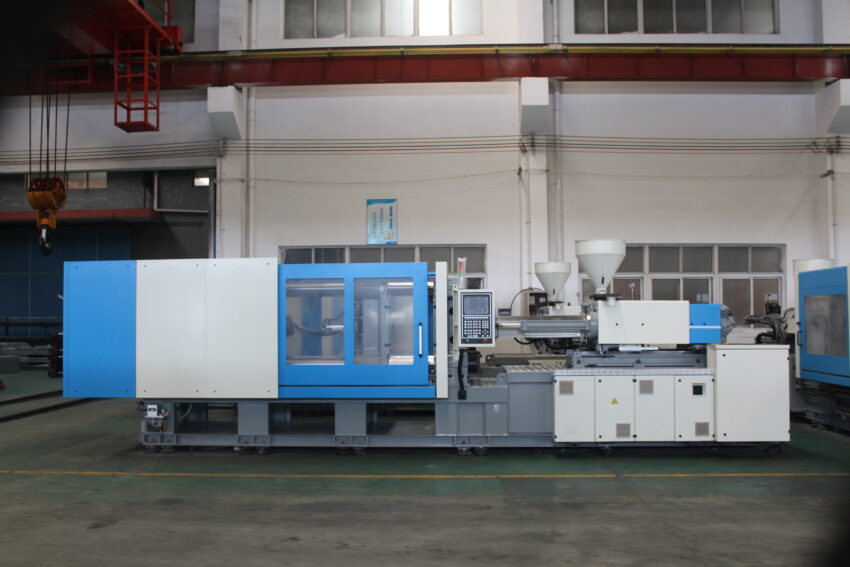
In the plastic manufacturing industry, injection molding machine is the key production equipment, and its process stability directly affects product quality and production efficiency. Let’s discuss how to ensure the stability of injection molding process through scientific and rigorous methods, in order to improve product quality and reduce production costs.
Injection molding, as an efficient and accurate plastic manufacturing technology, plays an important role in many industries. To remain competitive, manufacturers must ensure the stability of the injection molding process, which requires a deep understanding and control of machine performance, material properties, and environmental factors.
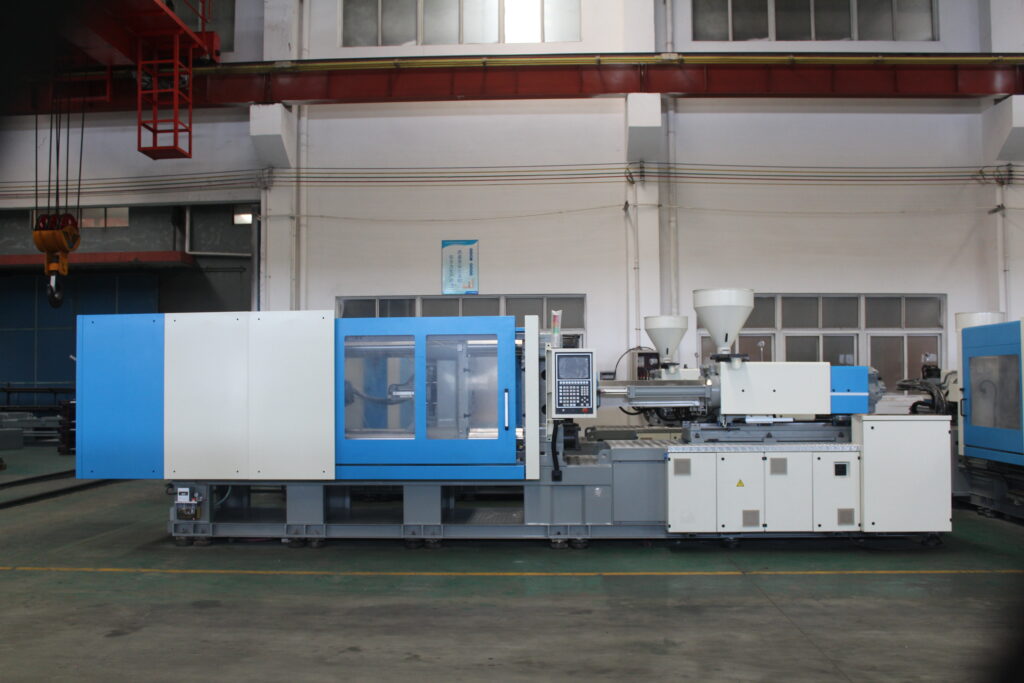
1、The importance of process stability of injection molding machine
Quality assurance: The stable injection molding process can ensure the dimensional accuracy and surface quality of the product, and reduce the scrap rate.
Cost control: A stable injection molding process helps reduce production costs by reducing material waste and machine failures.
Production efficiency: The improvement of process stability can shorten the production cycle, improve equipment utilization and capacity.
2、Method to ensure stability of injection molding process
(1)Equipment maintenance and calibration
Regular maintenance: Develop a maintenance plan for the injection molding machine, including cleaning, lubrication and replacement of wearing parts.
Accurate calibration: To ensure the accuracy of all sensors and control systems, calibration is performed regularly.
(2)Material management
Storage conditions: Strictly control the storage environment of raw materials to avoid temperature and humidity fluctuations affecting material performance.
Pretreatment: The material is properly dried and preheated to remove moisture and stress.
(3)Process parameter optimization
Parameter setting: Accurately set key parameters such as temperature, pressure and speed according to material characteristics and product requirements.
Real-time monitoring: Use advanced monitoring system to track process parameters, detect and adjust deviations in time.
(4)Environmental control
Temperature and humidity control: maintain the temperature and humidity of the production workshop within the appropriate range to avoid the impact of environmental changes on the process.
Cleanliness management: Keep the production environment clean to prevent dust and impurities from contaminating raw materials and finished products.
(5)Staff training
Operation skills: Systematic training of operators to improve their proficiency in the operation of injection molding machines.
Problem diagnosis: Develop employees’ ability to identify and solve common process problems.
(6)Data analysis and continuous improvement
Data collection: Collect data in the production process, including machine parameters, product quality indicators, etc.
Analytical evaluation: Use statistical and analytical tools to evaluate process performance and identify improvement points.
Continuous improvement: Constantly adjust and optimize process parameters based on data analysis results.
conclusion
The process stability of injection molding machine is a systematic project, involving equipment maintenance, material management, process optimization, environmental control, staff training and data analysis. By implementing the above strategies, manufacturers can significantly improve the stability of the injection molding process, thereby ensuring product quality, reducing costs, and improving production efficiency. In an increasingly competitive market, these methods will help companies stay ahead of the curve and achieve sustainable development.


