Strategies to Enhance the Automation and Efficiency of Injection Molding Machines
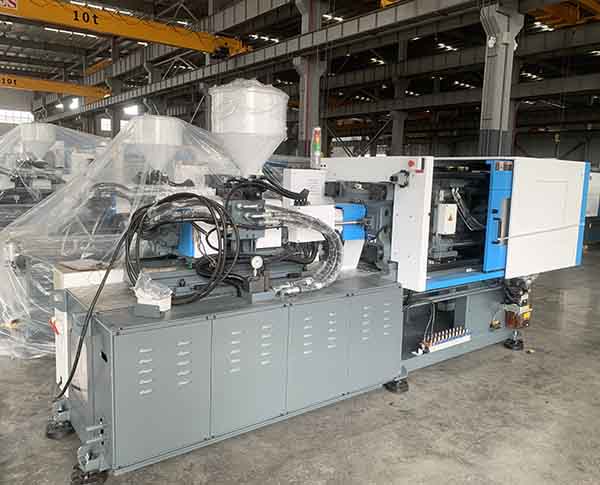
As the manufacturing industry rapidly progresses, companies must continuously improve production efficiency and product quality to maintain competitiveness. In the plastic processing sector, injection molding machines are one of the key production facilities. The implementation of automation technology can significantly enhance the operational precision and efficiency of injection molding machines, reduce labor costs, lower defect rates, and ensure a more stable production process. This article discusses how to improve the production efficiency of injection molding machines through automated operations.
1、The Significance of Automated Operation for Injection Molding Machines
Automated operation is crucial for modern injection molding machines. It not only reduces human errors and increases production repeatability but also allows for unattended continuous operation, greatly enhancing production efficiency. Moreover, automated systems can monitor the production process in real-time, making timely adjustments to parameters to ensure product quality consistency.
2、Key Components for Achieving Automation
To achieve automated operation of an injection molding machine, the following key components are required:
Control System: This is the core of automation, typically including PLC (Programmable Logic Controller), PC, or CNC (Computer Numerical Control) systems.
Sensors and Actuators: These detect the status of the machine and environmental conditions, such as temperature, pressure, and position, and perform actions based on control commands.
Robotic Arms: Used for automatic removal of molded products, reducing manual intervention and improving safety and efficiency.
Automatic Feeding System: Ensures the continuity and accuracy of raw material supply.
Quality Inspection System: Automatically checks product quality to reduce defective goods entering the market.
3、Steps for Implementing Automated Operation The implementation of automated operation requires the following steps:
Needs Analysis: Clarify the goals and requirements for automation.
System Design: Design the automation system according to needs, selecting appropriate hardware and software.
Programming and Debugging: Write control programs and conduct system debugging to ensure all components work together.
Training Operators: Train operators on the use and maintenance of the automated system to ensure correct usage.
Continuous Improvement: Optimize the automation system based on actual production conditions to enhance efficiency.
4、Strategies to Increase Production
Efficiency In addition to automated operations, the following strategies can be adopted to improve the production efficiency of injection molding machines:
Optimizing Mold Design: Good mold design can reduce cycle times and increase production efficiency.
Using High-Efficiency Raw Materials: High-quality materials can shorten molding cycles and improve product quality.
Energy Management: Reduce energy consumption and lower production costs with intelligent energy management systems.
Preventive Maintenance: Regularly maintain injection molding machines to avoid production interruptions due to faults.
5、Case Study
To better understand the application of automation in injection molding machines, we can analyze some successful cases. For example, a well-known plastic product manufacturer increased its injection molding machine’s production efficiency by 30% while reducing labor costs and defect rates by introducing advanced automated control systems and robotic arms.
6、Conclusion
With the continuous advancement of technology, automation has become an important means to enhance the production efficiency of injection molding machines. By implementing automated operations and adopting corresponding improvement strategies, businesses can not only improve production efficiency but also ensure product quality and strengthen market competitiveness. In the future, with the development of smart manufacturing and Industry 4.0, the automation of injection molding machines will become even more intelligent and efficient, bringing more opportunities to the manufacturing industry.


