HOW DO YOU CALCULATE INJECTION MOLDING COSTS?
Injection molding is a process used to create plastic parts. It is a versatile process that can be used to produce a wide range of parts with a high degree of accuracy and repeatability. In order to calculate the cost of injection molding, you need to consider the following factors: tooling costs, material costs, and production run volume. This article will walk you through each of these factors and show you how to calculate the total cost of injection molding for your project.

Injection Molding Cost Calculation Factors
Thinking of injection molding, the major question is how much does injection moulding cost and how to estimate It? There are several factors that must be considered when calculating the cost of injection moulding. The first is the size and complexity of the mold. The larger and more complex the mould, the more expensive it will be. The second factor is the type of material being used. Injection molding can be done with a variety of plastics, but some are more expensive than others. The third factor is the quantity being produced. To minimize costs, it is often best to produce a large number of pieces at once. Finally, the production process itself can affect costs. High-speed production methods will generally be more expensive than slower methods. By considering all of these factors, it is possible to get an accurate estimate of the cost of injection moulding.
Injection Molding Cost Calculation Factors
Thinking of injection molding, the major question is how much does injection moulding cost and how to estimate It? There are several factors that must be considered when calculating the cost of injection moulding. The first is the size and complexity of the mold. The larger and more complex the mould, the more expensive it will be. The second factor is the type of material being used. Injection molding can be done with a variety of plastics, but some are more expensive than others. The third factor is the quantity being produced. To minimize costs, it is often best to produce a large number of pieces at once. Finally, the production process itself can affect costs. High-speed production methods will generally be more expensive than slower methods. By considering all of these factors, it is possible to get an accurate estimate of the cost of injection moulding.

Type Of The Injection Molding Machine
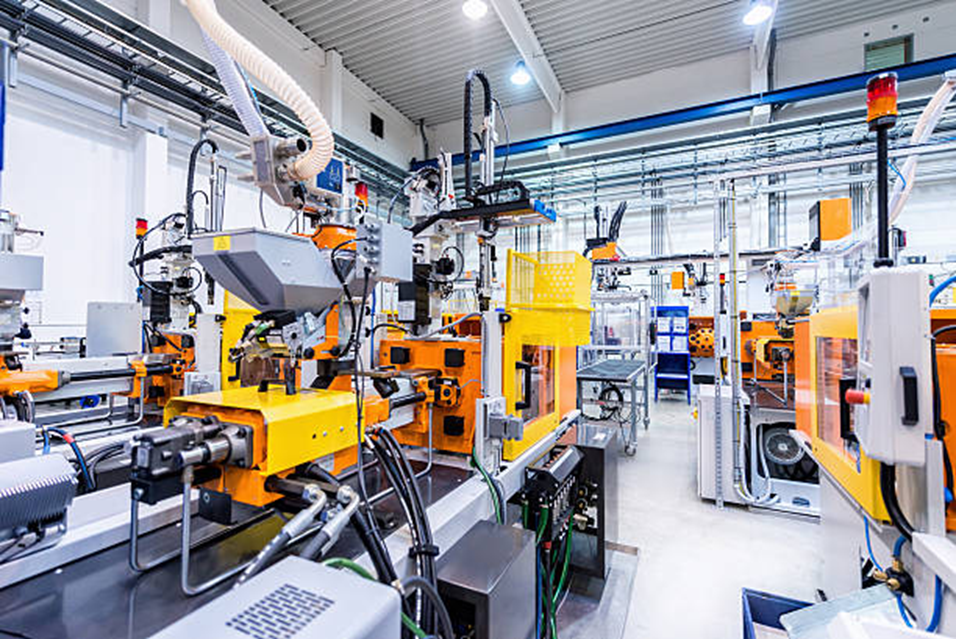
Injection molding is a manufacturing process for producing parts by injecting molten material into a mold. Injection molding can be performed with a host of materials, including metals, elastomers, and thermoplastics. Materials for injection molding must have good fluidity and be able to be injected into the mold under high pressure. The injection molding process requires the use of an injection molding machine, raw plastic material, and a mold. The plastic is melted in the injection molding machine and then injected into the mold, where it cools and solidifies into the final part. Injection molding is a versatile manufacturing process that can be used to create parts of all shapes and sizes. Plastic injection molding initiates the question of what is Precision Injection Molding since its the most used machine in plastic molding
Injection Molding Machine Price
Injection molding machines are typically priced according to their size and complexity. Smaller, simpler machines may cost as little as a few thousand dollars, while larger, more complex machines can cost millions of dollars. The features of an injection molding machine and also its capabilities determine its price. For example, a machine that can only produce small, simple products will generally be less expensive than a machine that can produce large, complex products. In addition, the price of an injection molding machine may also vary depending on the brand and model. Some brands and models are more expensive than others due to their reputation or features. When shopping for an injection molding machine, it is important to compare prices from multiple suppliers to ensure the best deal.

Injection Molding Machine Cycle Time
Injection molding machines are typically classified by the tonnage of the clamping force they provide. The size of the injection unit is also important. However, the most important factor in determining the cycle time of an injection molding machine is the number of cavities in the mold. The more cavities there are, the longer it will take to fill them all. In addition, the cycle time will be affected by the complexity of the part being molded and the material being used. For example, a simple part made from a soft material like plastic will have a shorter cycle time than a complex part made from a harder material like metal. As a result, when choosing an injection molding machine, it is important to consider the types of parts that will be produced and the materials that will be used.
Injection Molding Machine Shot Size And Weight
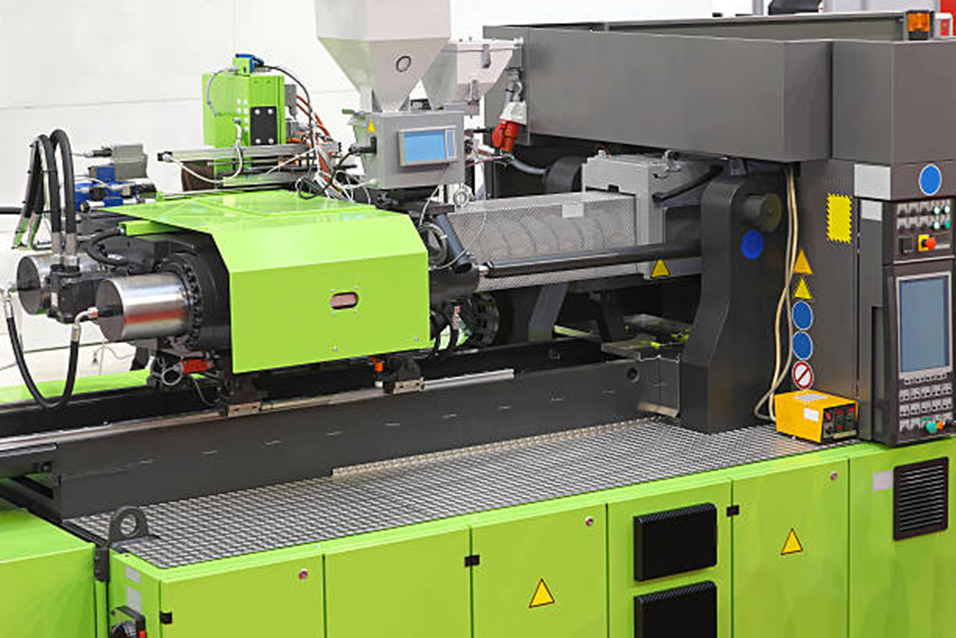
Injection molding machines come in many different sizes and weights. The size of the machine is typically dictated by the shot size, which is the maximum amount of molten plastic that can be injected into the mold. The weight of the machine is typically dictated by the size of the mold cavity and the cycle time. The heavier the machine, the faster it will be able to inject the cycle. In general, larger machines are used for high volume applications, while smaller machines are used for low volume applications. When choosing an injection molding machine, it is important to select one that is sized and weighed appropriately for your application.

Tooling And Setup Cost
Injection molding is a manufacturing process for producing parts by injecting molten material into a mold. Injection molding can be performed with a wide variety of materials, including metals, glasses, elastomers, confections, and most commonly thermoplastic and thermosetting polymers. Material for the part is fed into a heated barrel, mixed, and forced into a mold cavity where it cools and hardens to the configuration of the cavity. Then the part is ejected from the mold and the process repeats. The major advantages of injection molding are the ability to produce intricate shapes that would otherwise be difficult or impossible to make using other methods, and the ability to automate many aspects of the process. Injection molding tooling is typically made from hardened steel, aluminum, or beryllium-copper alloy. The choice of material for the injection mold depends on the application and production volume. The setup cost is typically higher for injection molding than other manufacturing processes, but the unit cost is lower due to economies of scale. Injection molding is used in many industries, including automotive, aerospace, medical devices, electronics, and consumer goods.
Injection molding is a complex process with many factors to consider, but the potential rewards are high. With careful planning and execution, your business can take advantage of this powerful manufacturing technique to produce high-quality products at a lower cost. If you need help getting started, our team of experts can assist you in choosing the right injection molding machine, designing your mold, and ensuring that your finished product meets your highest standards. Contact us today to learn more about how we can help you take advantage of all that injection molding has to offer.


