Application and Innovation of Precision Injection Molding Technology in the Manufacturing of Optical Components
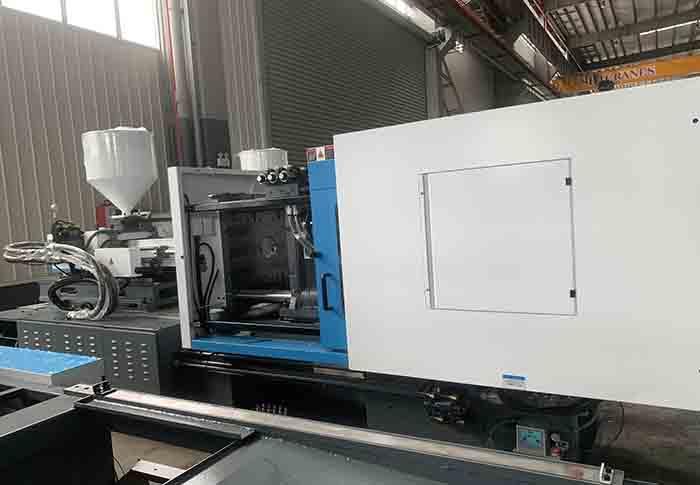
In the current era of advanced technology, optical components have become indispensable in various advanced equipment and systems. Whether in consumer electronics, telecommunications, medical, or military fields, the demand for precision optical components is increasing. To meet these requirements, traditional manufacturing methods are gradually being replaced by more advanced technologies, and the application of injection molding machines in the manufacturing of high-precision optical components is a typical example. This article explores how precision injection molding technology innovates the production of optical components and analyzes its profound impact on the industry.
I. Overview of Precision Injection Molding Technology
Precision injection molding is a technology that uses precise control of plastic injection molding processes to achieve high-precision and repeatable molding. Compared to traditional injection molding techniques, it employs higher standards for machinery, temperature control, material handling, and mold design. This technology ensures that the dimensional accuracy and optical performance of optical components such as lenses, prisms, and optical waveguides can reach the micrometer or even nanometer level.
II. Challenges in Manufacturing Optical Components
With the advancement of science and technology, optical components increasingly require smaller dimensions, higher shape accuracy, and better optical performance. These challenges have driven innovation in manufacturing processes, and precision injection molding technology is becoming a key solution to address these issues.
III. Application of Precision Injection Molding in the Manufacturing of Optical Components
Material Selection: Precision injection molding requires highly specialized materials with excellent optical properties, low birefringence, and high transparency.
Mold Design and Fabrication: High-precision molds are crucial for ensuring the quality of optical components. Mold design must consider the characteristics of plastic flow, cooling, and shrinkage. Moreover, advanced machining techniques are employed to ensure mold accuracy.
Precise Control of Injection Molding Machines: Precision injection molding machines require extremely high control precision, including temperature control of the barrel, stable control of injection speed and pressure, to ensure consistency and quality of the final products.
Post-processing Techniques: Post-processing such as grinding and coating may be required to further enhance the optical performance of the injection-molded components.
IV. Technological Innovations and Development Trends
With the continuous advancement of materials science, control systems, and automation technology, precision injection molding technology is constantly evolving. For example, the application of smart sensors and real-time monitoring systems enables more controlled and efficient production processes. Furthermore, the development of 3D printing technology opens up new possibilities for mold fabrication of complex optical components.
V. Case Studies in Industry Applications
Analyzing specific cases can demonstrate the effectiveness of precision injection molding technology in different manufacturing scenarios of optical components. From smartphone camera modules to fiber optic connectors, precision injection molding technology is helping various industries achieve miniaturization and high-performance products.
VI. Economic Benefits and Social Impacts
The adoption of precision injection molding technology in the production of optical components not only improves production efficiency and product quality but also reduces costs. This is of great significance in promoting technological advancements and enhancing international competitiveness in related industries. Moreover, reducing material waste and energy consumption aligns with the requirements of sustainable development.
Conclusion
Precision injection molding technology has become a crucial means for manufacturing high-precision optical components. With ongoing technological advancements and innovations, this technology is expected to find broader applications in the future, driving the continuous development and upgrading of the optical manufacturing industry.


