Energy-saving Modification and Green Manufacturing Technology for Injection Molding Machines: Key to Sustainable Development
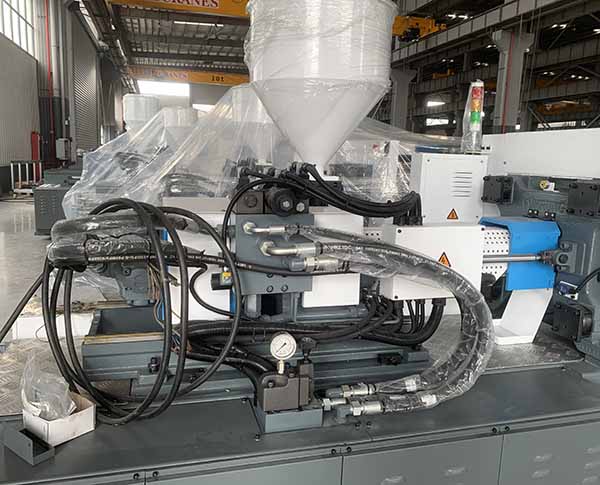
With the increasingly severe global environmental issues, green manufacturing technology has become an important direction for the development of the manufacturing industry. As the main equipment for plastic product production, injection molding machines have attracted much attention regarding their energy consumption and environmental protection. This article will explore the energy-saving modifications and green manufacturing technologies for injection molding machines, aiming to provide insights for the sustainable development of the injection molding industry.
I. Energy-saving Modifications for Injection Molding Machines
1、Servo Motor Drive System
A servo motor drive system is an efficient and energy-saving driving method that can effectively reduce the energy consumption of injection molding machines. Compared to traditional hydraulic driving systems, servo motor drive systems have advantages such as fast response speed, high precision, and low noise. By adopting a servo motor drive system, precise control of the injection molding machine can be achieved, reducing energy waste.
2、Frequency Inverter Speed Control Technology
Frequency inverter speed control technology is a method to adjust the rotational speed of a motor by changing its operating frequency. It enables energy-efficient operation of injection molding machines. By using frequency inverter speed control technology, the running speed of injection molding machines can be adjusted in real-time according to production needs, avoiding unnecessary energy consumption.
3、Thermal Recovery Technology
Injection molding processes generate a large amount of heat, which is often directly discharged to the environment in traditional injection molding machines, resulting in energy waste. Thermal recovery technology can recover and utilize the heat generated during the injection molding process for heating molds or other equipment that requires heating, thereby achieving energy-saving goals.
4、Energy-efficient Cooling System
Injection molding machines need to cool down the molds during the production process, and traditional cooling systems usually use water cooling, which consumes high energy. Energy-efficient cooling systems employ air cooling or oil cooling methods, effectively reducing energy consumption. Additionally, optimizing the structure and parameters of the cooling system can improve cooling efficiency and further achieve energy-saving objectives.
II. Green Manufacturing Technologies
1、Circular Economy Concept
Circular economy refers to minimizing resource consumption and environmental pollution during production processes while maximizing resource efficiency and recycling. In the injection molding industry, implementing the circular economy concept can achieve recycling and reuse of waste plastics, reduce the use of new plastics, and lower energy consumption and environmental pollution.
2、Green Material Selection
Green materials refer to those with minimal impact on the environment and human health throughout their production, usage, and disposal stages. In the injection molding industry, selecting eco-friendly and degradable plastic materials such as biodegradable plastics and recyclable plastics can reduce the environmental impact of injection molding processes.
3、Green Design
Green design involves considering the environmental performance and recyclability of products at the product design stage. In the injection molding industry, green design can be achieved by optimizing product structures, reducing component numbers, and improving material utilization rates. This approach reduces energy consumption and environmental pollution during injection molding processes.
4、Cleaner Production Technology
Cleaner production technology refers to using low-pollution, low-energy-consuming, and high-efficiency production methods during manufacturing processes to achieve sustainable development. In the injection molding industry, advanced production processes and equipment such as dieless molding and gas-assisted molding can be adopted to reduce energy consumption and environmental pollution.
5、Waste Treatment and Resource Utilization
The waste generated during injection molding processes mainly includes waste plastics, waste oil, and exhaust gases. Advanced waste treatment technologies such as pyrolysis of waste plastics and recycling of waste oil can be employed to achieve resource utilization of waste materials and reduce environmental pollution.
In conclusion, energy-saving modifications and green manufacturing technologies are crucial for achieving sustainable development in the injection molding industry. By adopting energy-saving measures such as servo motor drive systems, frequency inverter speed control technology, thermal recovery technology, and energy-efficient cooling systems, as well as promoting circular economy concepts, green material selection, green design, cleaner production technology, waste treatment, and resource utilization in green manufacturing technologies, it is possible to effectively reduce energy consumption and environmental pollution of injection molding machines. These efforts provide strong support for the sustainable development of the injection molding industry.


