The Key Technology of Injection Molding Machine Precision Control and Quality Assurance
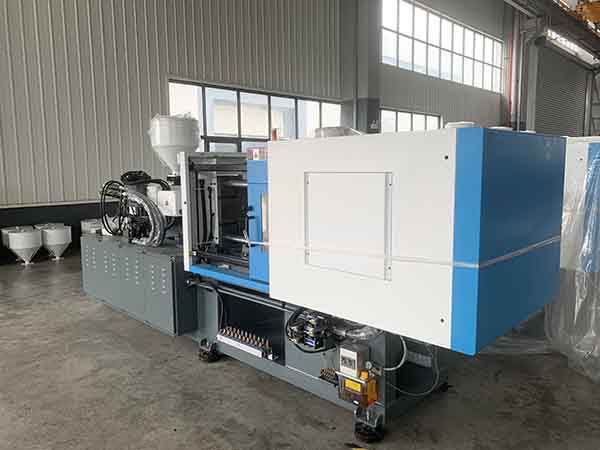
Injection molding machines are important equipment in plastic product manufacturing. Their precision control and quality assurance play a crucial role in improving product quality and production efficiency. This article mainly introduces the key technology of injection molding machine precision control and quality assurance, including mold design, injection process parameter control, temperature control, pressure control, and mechanical structure optimization.
1、Introduction
An injection molding machine is widely used in plastic product manufacturing. Its working principle is to inject molten plastic into a mold, cool it, and then take out the finished product. Due to the wide variety of plastic products and their complex shapes, there is a high demand for precision control and quality assurance of injection molding machines. This article will provide a detailed introduction to the key technology of injection molding machine precision control and quality assurance.
2、 Mold Design
Molds are the core components of injection molding machines, and their design directly affects the shape, size, and surface quality of the finished products. Therefore, mold design is a key link in the precision control and quality assurance of injection molding machines. Mold design should follow the following principles:
(1)Consider the shape, size, and structural characteristics of the finished products, and choose a suitable mold type and structure form reasonably.
(2)Strictly control the processing accuracy of the mold to ensure that the dimensions and shape of the mold cavity meet the requirements of the finished products.
(3)Use advanced mold materials and heat treatment processes to improve the wear resistance and service life of the mold.
(4)Design a reasonable cooling system to ensure uniform temperature distribution in the mold during the injection process, avoiding defects caused by temperature differences.
3、Injection Process Parameter Control
Injection process parameters have a significant impact on the shape, size, and surface quality of the finished products. Therefore, precise control of injection process parameters is crucial for ensuring precision control and quality assurance of injection molding machines. The main injection process parameters include:
(1)Injection speed: The injection speed directly affects the flow state of the molten plastic in the mold, thereby affecting the shape and size of the finished products. The appropriate injection speed should be selected based on the characteristics of the finished products and the structure of the mold.
(2)Injection pressure: The injection pressure determines the flow capacity of the molten plastic during the injection process, which has a significant impact on the shape and size of the finished products. The appropriate injection pressure should be selected based on the characteristics of the finished products and the structure of the mold.
(3)Holding pressure time: The holding pressure time determines the cooling time of the molten plastic in the mold, which has a significant impact on the shape and size of the finished products. The appropriate holding pressure time should be selected based on the characteristics of the finished products and the structure of the mold.
(4)Cooling time: The cooling time determines the cooling rate of the molten plastic in the mold, which has a significant impact on the shape and size of the finished products. The appropriate cooling time should be selected based on the characteristics of the finished products and the structure of the mold.
4、 Temperature Control
Temperature control is one of the key technologies for precision control and quality assurance of injection molding machines. During the injection process, temperature has a significant impact on the flowability, viscosity, and cooling rate of molten plastic. Therefore, accurately controlling the temperature during the injection process is crucial for ensuring product quality and production efficiency. The key technologies for temperature control include:
(1)Barrel temperature control: The barrel temperature directly affects the flowability and viscosity of molten plastic, which have a significant impact on the shape and dimensions of the finished product. An appropriate barrel temperature should be selected based on the characteristics of the finished product and the structure of the mold.
(2)Nozzle temperature control: The nozzle temperature directly affects the flowability and viscosity of molten plastic, which have a significant impact on the shape and dimensions of the finished product. An appropriate nozzle temperature should be selected based on the characteristics of the finished product and the structure of the mold.
(3)Mold temperature control: The mold temperature directly affects the cooling rate of molten plastic in the mold, which has a significant impact on the shape and dimensions of the finished product. An appropriate mold temperature should be selected based on the characteristics of the finished product and the structure of the mold.
5、Pressure Control
Pressure control is one of the key technologies for precision control and quality assurance of injection molding machines. During the injection process, pressure has a significant impact on the flow ability and filling effect of molten plastic. Therefore, accurately controlling the pressure during the injection process is crucial for ensuring product quality and production efficiency. The key technologies for pressure control include:
(1)Injection pressure control: The injection pressure determines the flow ability of molten plastic during the injection process, which has a significant impact on the shape and dimensions of the finished product. An appropriate injection pressure should be selected based on the characteristics of the finished product and the structure of the mold.
(2)Holding pressure control: The holding pressure determines the filling effect of molten plastic in the mold, which has a significant impact on the shape and dimensions of the finished product. An appropriate holding pressure should be selected based on the characteristics of the finished product and the structure of the mold.
(3)Backpressure control: The backpressure determines the resistance to flow of molten plastic during the injection process, which has a significant impact on the shape and dimensions of the finished product. An appropriate backpressure should be selected based on the characteristics of the finished product and the structure of the mold.
6、Mechanical Structure Optimization
The mechanical structure of an injection molding machine has a significant impact on its precision control and quality assurance. Optimizing the mechanical structure of the injection molding machine can improve its stability, reliability, and service life, thereby enhancing the quality and production efficiency of the products. The key technologies for mechanical structure optimization include:
(1)Using high-precision and high-rigidity transmission components to improve the transmission accuracy and stability of the injection molding machine.
(2)Adopting advanced hydraulic systems to enhance the control accuracy of injection speed, injection pressure, and holding pressure in the injection molding machine.
(3)Implementing an advanced electrical control system to achieve automation and intelligent operation of the injection molding machine, thereby improving production efficiency.
(4)Employing advanced detection systems to monitor various parameters during the injection process in real-time, providing a basis for precise control.
7、 Conclusion
Precision control and quality assurance of injection molding machines are crucial aspects in the production of plastic products. The key technologies involved include mold design, process parameter control, temperature control, pressure control, and mechanical structure optimization. By accurately controlling these key technologies, the precision level of injection molding machines can be effectively improved, ensuring the quality of products, enhancing production efficiency, and generating greater economic benefits for the enterprise.


